Introduction
Mastery of the introduction is the key to establishing rapport with others — and doing it in Sanskrit lends a touch of tradition, respect, and timelessness.
To present oneself in Sanskrit is not just a matter of saying “My name is.” There are urbane options depending on whether you are addressing a man, a woman, or officially. From “भवत: नाम किम्?” (What is your name? for men) to “मम नाम सीता:” (My name is Sita), Sanskrit offers a rich system based both on politeness and grammatical correctness.
My Introduction in Sanskrit (मम परिचयः)
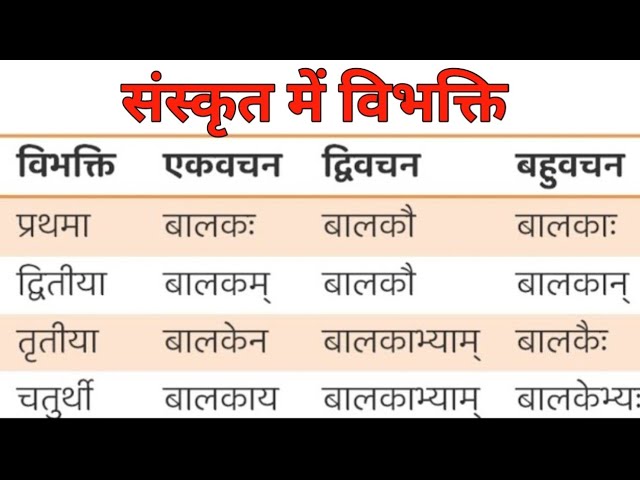
अहं बालकः अस्मि।
I am a boy.
अहं बालिका अस्मि।
I am a girl.
मम नाम सागरः अस्ति ।
My name is Sagar.
अहं नववर्षीयः बालकः अस्मि ।
I am a nine year old boy.
मम जन्मदिवसः जूनमासे 17 दिनाङ्के अस्ति ।
My birthday is on June 17.
अहं पञ्चमकक्षायां पठामि ।
I study in fifth standard.
अहं मुम्बई नगरे वसामि ।
I live in Mumbai.
मम गृहे चत्वारः जनाः सन्ति ।
There are four members in my family.
Meaning of Mam Parichay in Sanskrit
The meaning of mam is my and parichay means introduction.Mam parichay in sanskrit means self-introduction in spoken or written sanskrit.
It includes essential personal details such as name, age,class, school, family, gender, class, hobbies, and goals in sanskrita sentences
Importance of Mam Parichay Sanskrit
- Improve basic Sanskrit vocabulary
- Improve basic of sanskrita
- Understanding of sentence formation in sanskrita
- Beginning of language learning of language.
- Make interest in classical text.
Structure of Mam Parichay Sanskrit
A standard Mam Parichay Sanskrit introduction usually follows a simple structure:
- Name Introduction – providing first name and second name
- Age and Class – age and class of study
- School or Place – Name of school
- Family Details – Intro of family member
| Sanskrit | English Meaning |
|---|---|
| भवत: नाम किम् ? | What is your name? (Male) |
| मम नाम मोहन: | My name is Mohan |
| भवत्या: नाम किम् ? | What is your name? (Female) |
| मम नाम सिता: | My name is Sita |
Introduction to Pronouns (सर्वनाम)
Basic Pronouns
| Sanskrit | English Meaning |
|---|---|
| स: | He |
| सा | She |
| तत् | It |
| क: | Who (He) |
| का | Who (She) |
| किम् | Who (It) |
Example Sentences
- स: क: ? – Who is he?
- स: नायक: – He is an actor.
- सा का ? – Who is she?
- सा बालिका – She is a child.
- तत् किम् ? – What is that?
- तत् पुष्पम् – That is a flower.
Near Pronouns
| Sanskrit | Meaning |
|---|---|
| एष: | He (Near) |
| एषा: | She (Near) |
| एतत् | It (Near) |
Dual Form of Pronouns (द्विवचन)
| Sanskrit | Meaning |
|---|---|
| तौ | Those two (Males) |
| ते | Those two (Females/Objects) |
| एतौ | These two (Males) |
| एते | These two (Females/Objects) |
Examples
- मूषकौ खादत: – Two mice are eating.
- बालौ हसत: – Two children are laughing.
- अजे चरत: – Two goats are grazing.
- महिले गातत: – Two girls are singing.
Plural Form of Pronouns (बहुवचन)
| Sanskrit | Meaning |
|---|---|
| ते | All (Males) |
| ता: | All (Females) |
| तानि | All (Objects) |
Examples
- ते बालका: गच्छन्ति – All boys are going.
- ता महिला: गच्छन्ति – All girls are going.
- तानि फलानि पतन्ति – All fruits are falling on the ground.
Personal Pronouns
| Sanskrit | Meaning |
|---|---|
| अहम् | Myself |
| भवान् | You (Male) |
| भवती | You (Female) |
| आवाम् | We Two |
| वयम् | We All |
Examples
- अहं रमेश: – I am Ramesh.
- भवान् क: ? – Who are you? (Male)
Possessive Pronouns
| Sanskrit | Meaning |
|---|---|
| तस्य | His (Far) |
| तस्या: | Her (Far) |
| कस्य | Whose (Male) |
| कस्या: | Whose (Female) |
| एतस्य | His (Near) |
| एतस्या: | Her (Near) |
Examples
- दशरथस्य पुत्र: राम: – Dasharatha’s son is Ram.
- सीताया: पति: राम: – Sita’s husband is Ram.
- भवत: गृहस्य नाम किम् ? – What is the name of your house?